
Dark spots after acne are among the most frustrating reminders of a breakout. The AAD explains that the medical name for one cause is post-inflammatory hyperpigmentation. In simple terms, inflammation can trigger the skin to produce extra melanin, the pigment that gives skin its color.
Sources: AAD – How to fade dark spots in darker skin tones; Water’s Edge Dermatology – Treating acne in dark skin

These marks often last longer than the pimple itself. A dermatology practice notes that inflammation from acne, and even harsh acne products, can leave dark spots that outlast the breakout. Healthline adds that hyperpigmentation is often more intense and lasts longer on dark skin.
Sources: Water’s Edge Dermatology – Treating acne in dark skin; Healthline – Hyperpigmentation on Black skin
Medicines and products can contribute as well. The AAD notes that some medications can cause dark spots, and that irritating skin or hair care products can too. Consequently, review your routine and prescriptions with a dermatologist when spots seem to appear without an obvious breakout.
Sources: AAD – How to fade dark spots in darker skin tones
Why Dark Spots After Acne Appear
The AAD says people with medium to dark skin tones develop dark spots and patches when something prompts their skin to make extra melanin. Skin conditions such as acne, eczema and psoriasis are common triggers. Moreover, irritation from skin or hair care products can cause dark spots too.
Sources: AAD – How to fade dark spots in darker skin tones
Sun exposure makes things worse. A dermatologist quoted by Water’s Edge explains that sun on active, inflamed acne creates new hyperpigmentation. Consequently, unprotected skin can develop more marks even while old ones are fading.
Sources: Water’s Edge Dermatology – Treating acne in dark skin
Dark spots are different from textured scars. Acne scars change the skin’s surface, whereas these marks change its color. Still, picking and squeezing raises the chance of both, so resist the urge to pop pimples.
Sources: AAD – Acne scars; PureWow – Dr. Caroline Robinson
Who Gets Dark Spots After Acne Most Often?
Anyone can, but the risk is higher with medium to dark skin tones. The AAD says these skin tones can make extra melanin in response to triggers. Healthline adds that hyperpigmentation is often more intense and longer lasting on dark skin, and that acne is a classic cause.
Sources: AAD – How to fade dark spots in darker skin tones; Healthline – Hyperpigmentation on Black skin
As a result, dermatologists encourage early, gentle acne care in these patients. Treating acne before it becomes severe limits the inflammation that feeds pigment production. Furthermore, avoiding harsh products prevents a second round of irritation.
Sources: Water’s Edge Dermatology – Treating acne in dark skin
Treat the Acne First
First, fading starts by stopping new inflammation. The AAD states that to get rid of hyperpigmentation caused by a skin condition, you must effectively treat that condition first. Therefore, a steady acne plan comes before any fading product.
Sources: AAD – How to fade dark spots in darker skin tones
Gentle care matters, too. A dermatologist advises treating acne early, before it becomes severe, and using the gentlest acne products to limit inflammation from both the acne and its treatment. The AAD likewise warns that scrubbing and overusing products can irritate skin and trigger breakouts.
Sources: Water’s Edge Dermatology – Treating acne in dark skin; AAD – 10 habits that worsen acne
A dermatologist quoted by PureWow agrees that sunscreen should always be the first line of defense against hyperpigmentation. Moreover, apply it to every exposed area, because the back and chest can darken just like the face. Therefore, sun protection is not optional for anyone chasing even-toned skin.
Sources: PureWow – Dr. Caroline Robinson; AAD – Back acne
Sunscreen Is the First Step
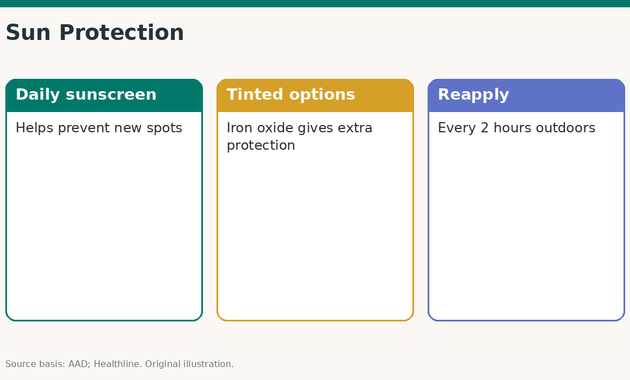
According to the AAD, effective treatment for dark spots begins with sunscreen. Applied daily, it can prevent new dark spots and patches. The AAD also suggests tinted sunscreen with iron oxide for extra protection in darker skin tones.
Sources: AAD – How to fade dark spots in darker skin tones
Also, choose carefully and apply often. Healthline recommends reapplying every two hours, and a dermatologist cautions that not every sunscreen suits acne-prone skin. Look for broad-spectrum, non-comedogenic products so that sun protection does not add new breakouts.
Sources: Healthline – Hyperpigmentation on Black skin; Water’s Edge Dermatology – Treating acne in dark skin; AAD – Tips for managing acne
Treatments That May Fade Dark Spots After Acne
Fortunately, several options exist. The AAD notes that certain ingredients can fade existing dark spots and that some marks need prescription-strength treatment. Healthline describes hydroquinone as a long-standing gold-standard topical lightener, though it should be used under professional guidance.
Sources: AAD – How to fade dark spots in darker skin tones; Healthline – Hyperpigmentation on Black skin
Procedures can help in selected cases. One dermatologist finds that superficial to medium-depth peels, such as glycolic acid peels, can fade marks left by inflammatory acne. Laser treatment is another route, but Healthline warns that some procedures may raise the risk of irritation or further hyperpigmentation.
Sources: Water’s Edge Dermatology – Treating acne in dark skin; Healthline – Hyperpigmentation on Black skin
For that reason, expertise matters. Healthline stresses finding a dermatologist experienced with skin of color. Skin lighteners generally work gradually, so results take patience rather than days.
Sources: Healthline – Hyperpigmentation on Black skin; Water’s Edge Dermatology – Treating acne in dark skin

Dark Spots vs. Acne Scars
The two are often confused. The AAD notes that most people who scar develop depressed, sunken marks, whereas dark spots mainly change color. However, both result from inflammation, and picking increases the risk of each.
Sources: AAD – Acne scars; AAD – How to fade dark spots in darker skin tones; PureWow – Dr. Caroline Robinson
The practical message is the same: calm the acne, avoid picking and protect the skin. Consequently, one routine helps prevent both problems.
Sources: AAD – Acne scars; Water’s Edge Dermatology – Treating acne in dark skin
Patience is the final ingredient. Healthline and dermatologists both describe lighteners and procedures as gradual, so results rarely appear within days. Additionally, the AAD notes that treatment can speed up fading, which means a consistent plan beats constant product switching. Therefore, pick a routine, follow it and review progress with your dermatologist instead of changing course every week.
Sources: AAD – How to fade dark spots in darker skin tones; Healthline – Hyperpigmentation on Black skin; Water’s Edge Dermatology – Treating acne in dark skin
Mistakes to Avoid
Never use liquid bleach on dark spots, because the AAD calls it harmful. Similarly, avoid harsh scrubs and stacked acne products, since irritation can create more marks.
Sources: AAD – How to fade dark spots in darker skin tones; AAD – 10 habits that worsen acne
However, makeup is another trap. A dermatologist warns that some makeup used to cover dark spots may worsen acne, so choose non-comedogenic formulas.
Sources: Water’s Edge Dermatology – Treating acne in dark skin; AAD – 10 habits that worsen acne
Prevention Checklist for Dark Spots After Acne
- Treat acne early and consistently.
- Use the gentlest effective products.
- Do not pick, pop or scrub blemishes.
- Wear broad-spectrum sunscreen daily and reapply outdoors.
- Choose non-comedogenic makeup and skin care.
- Never use liquid bleach on the skin.
Sources: Water’s Edge Dermatology – Treating acne in dark skin; AAD – 10 habits that worsen acne; AAD – How to fade dark spots in darker skin tones; Healthline – Hyperpigmentation on Black skin; AAD – Tips for managing acne
Dark Spots After Acne: Quick Answers
Do I need treatment? Not always, but the AAD says treatment can speed up fading. Without it, spots can linger for a long time, especially on darker skin.
Sources: AAD – How to fade dark spots in darker skin tones; Water’s Edge Dermatology – Treating acne in dark skin
Is sunscreen enough? Sunscreen prevents new spots and supports fading. Still, some marks need prescription-strength treatment, so a dermatologist should assess stubborn ones.
Sources: AAD – How to fade dark spots in darker skin tones
When to See a Dermatologist
See a dermatologist if dark spots persist, spread or appear with ongoing breakouts. A professional can treat the acne, identify other causes of pigmentation, such as medicines or products, and prescribe stronger fading options where appropriate.
Sources: AAD – How to fade dark spots in darker skin tones; Water’s Edge Dermatology – Treating acne in dark skin; Healthline – Hyperpigmentation on Black skin
In summary, dark spots after acne are common, especially in skin of color, and they do fade with patience. Treat the acne, protect your skin from the sun every day, avoid irritation and let a dermatologist guide stronger treatments.
Sources: AAD – How to fade dark spots in darker skin tones; Water’s Edge Dermatology – Treating acne in dark skin
Related reading: Types of Acne · Acne Treatment Options
Medical note: Educational content only, not medical advice. Consult a licensed healthcare professional.